A column protection enquiry needs more than a count of the columns in a building. The supplier needs to know which locations are included, what each column looks like and what may prevent the proposed protection from fitting. Prepare a location schedule before requesting a quotation, then have the selected arrangement reviewed as part of the track design.
Start with the locations selected for review
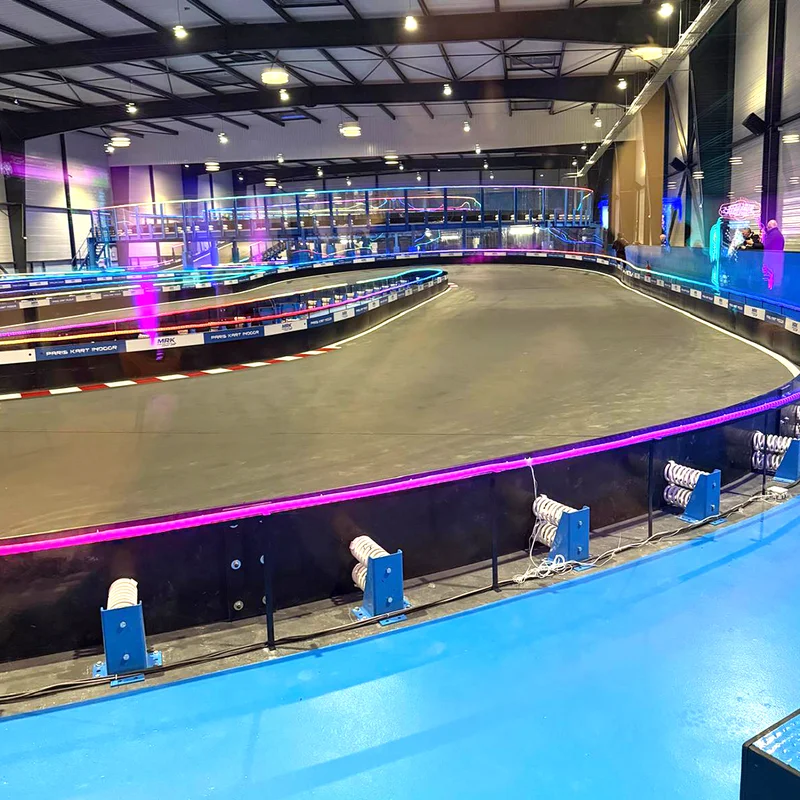
Give every proposed location an identifier on the track plan. Use the same identifier on photographs and in the quantity schedule, including the level where relevant. Distinguish building columns from new structural supports and record which faces can be accessed. The designer and protection supplier should assess the locations against the circuit geometry, fleet and operating conditions. A column count by itself does not establish which protection arrangement is appropriate.
At each location, photograph the whole column and its surroundings. Include the base, nearby track equipment and any wall or fixed fitting beside it. Keep the proposed scope separate from locations that still require a decision, so an unresolved item cannot silently become a confirmed order.
Describe the section and the features around it
Record whether the column is round, square, rectangular or another shape. For a rectangular section, show both dimensions on a sketch. For a round section, identify whether your measurement is the diameter or circumference. Ask the supplier which measurement and tolerance information it needs before taking the final order dimensions. Clearly label approximate measurements.
Then add anything projecting beyond the main section, such as a base plate, brackets or existing cladding. Identify whether these features occupy the area proposed for the pad. Record the available access around the column and ask the supplier to confirm the opening, closure and fixing arrangement for its product. A pad selected from the nominal column size still needs a review of these local details.
Separate confirmed units from unresolved cases
Consider a hypothetical enquiry with three locations. Column A is square with accessible faces. Column B is round with a projecting base. Column C is rectangular and close to a wall. Keep a separate line for each geometry, even if the client wants the same visible colour. Ask the supplier to confirm the proposed solution for B and C before treating all three as identical supply units.
For each line, record the location, sketch reference, proposed product, unit definition, quantity and confirmation status. Ask what a quoted unit actually supplies and whether any accessories are separate. If the supplier proposes a special detail, attach it to that location. Use the confirmed schedule to update quantities while retaining the unresolved cases for follow-up.
Request a quotation with fitting responsibilities identified
MRK’s supply simulator lists protective pads for specified square or round columns. Send the location schedule for confirmation of the actual supply scope, particularly for other sections or obstructed locations. Ask how the product will be fitted, what information is needed from the site and who reviews the interface with nearby equipment.
Keep product supply, transport, unloading and installation identified in the offer. If the same project includes coating work, distinguish resin supply, preparation and application. Compare offers on a common tax basis and obtain confirmation of the applicable treatment before accepting a commercial total.
Review MRK’s track design service and the barrier system information alongside the pad enquiry. The manufacturing guide explains how component references and agreed documents support the order. To request a quotation, provide the marked plan, photographs and one sketch for each distinct column shape.